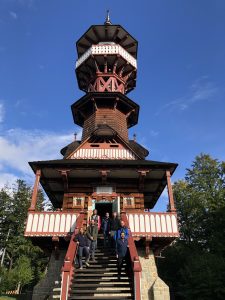
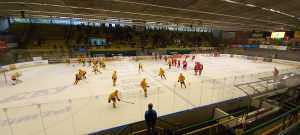
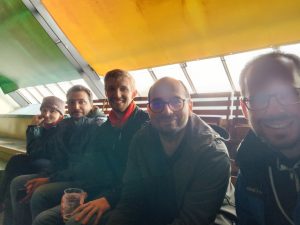
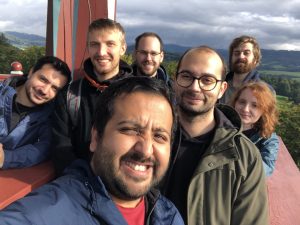
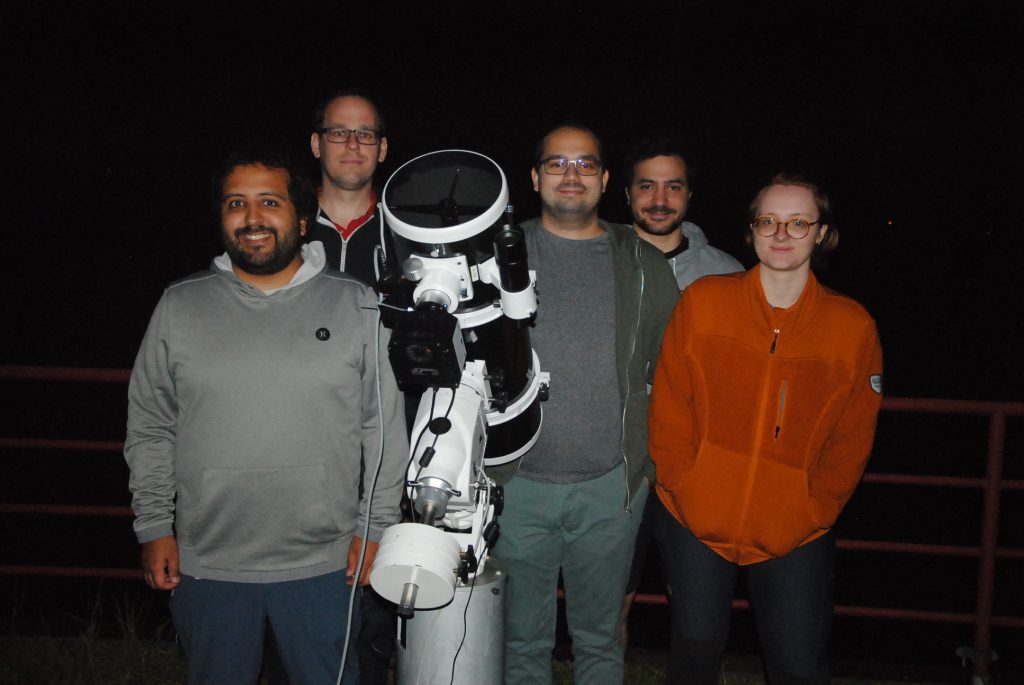
Just like last year, this September we travelled to Observatory at Valašské Meziříčí to gain hands-on experience with telescopes and photometry. Unfortunately, the weather was extremely bad and it rained almost the whole time. But we still toured the observatory, learned about telescopes and detectors, and enjoyed sights and events nearby.
Jurkovičova rozhlednaHockey match Vsetín – Pardubice BAt the hockey gameJurkovičova rozhledna
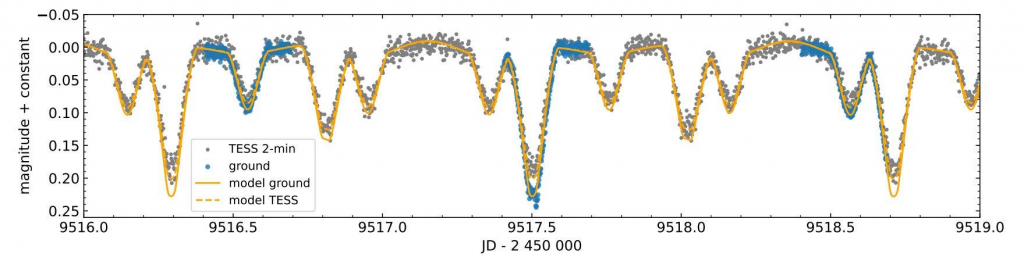
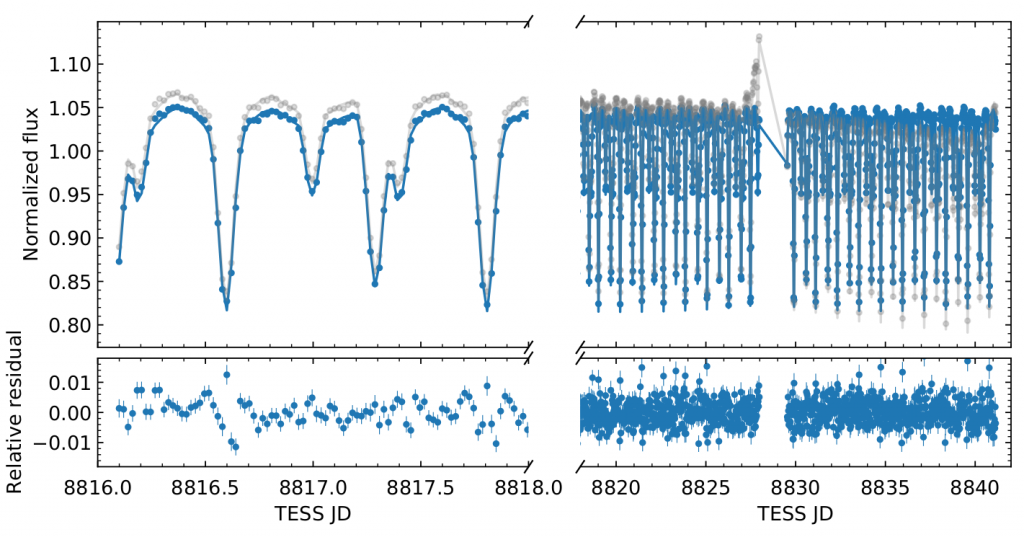
New paper on double eclipsing binary (2+2 quadruple) CzeV343 discovered and meticulously followed by Pavel Cagaš over the last 11 years (99 nights). Combining his data with TESS, including 2-min data from our GI proposal, and spectroscopy, we find a bunch of interesting things.
We were happy to host for a week Yuan-Sen Ting from Australian National University who gave a special seminar “On Modelling Complex Systems in Astronomy”. For the Friday walk we were joined by Sandor Kruk from MPIE.
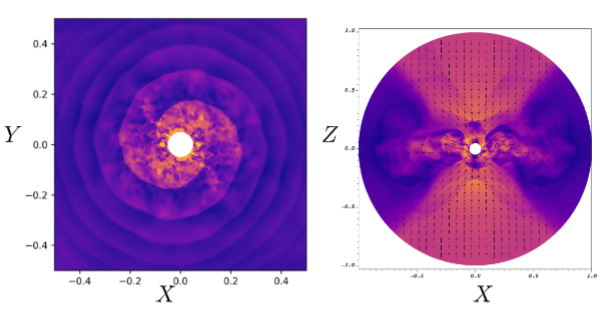
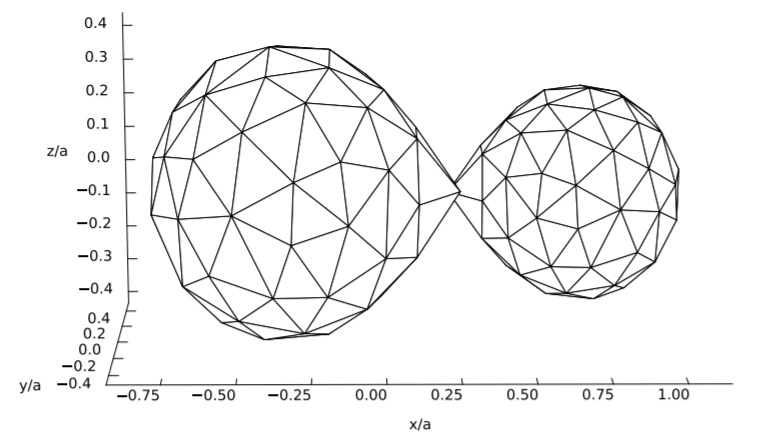
Our postdocs were successful in obtaining supercomputer time on the Czech supercomputer infrastructure IT4Innovations. Diego Calderón won 26 000 node hours (approx. 900 000 CPU hours) on Barbora cluster to perform radiation hydrodynamics simulations of transients. Damien Gagnier won 36 000 node hours (approx. 4 600 000 CPU hours) on the brand new Karolina cluster to develop 3D hydrodynamic simulations of common envelope.
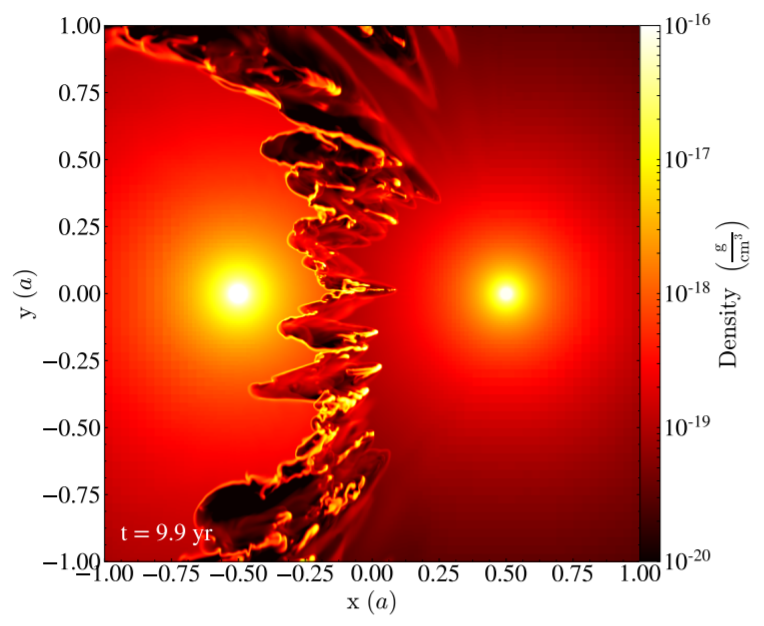
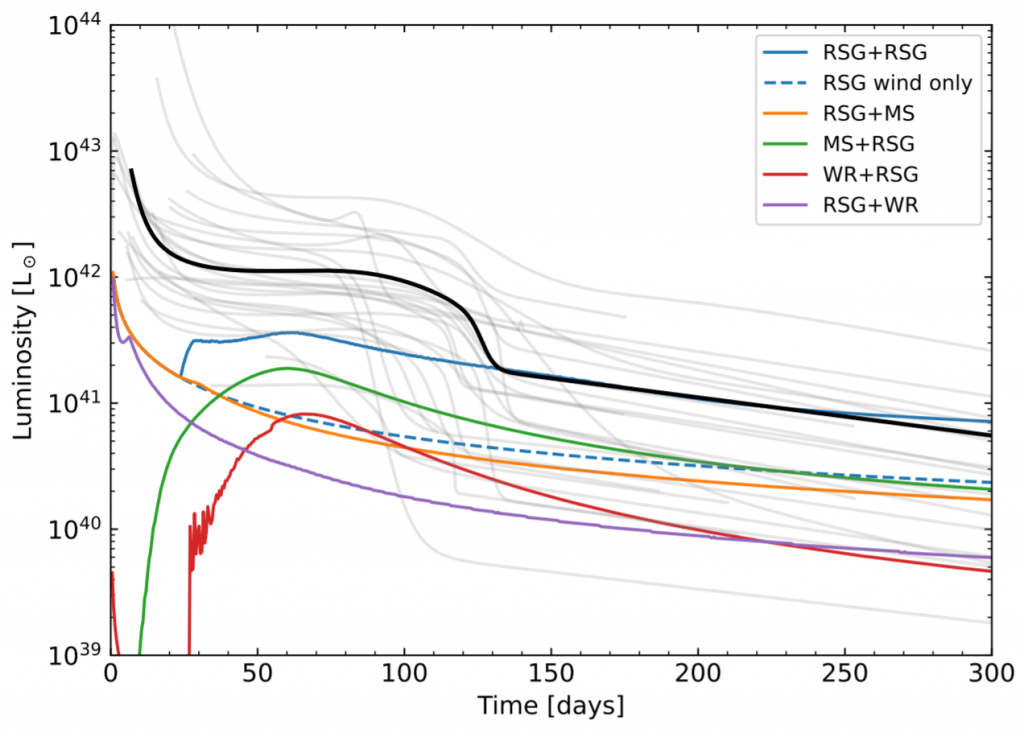
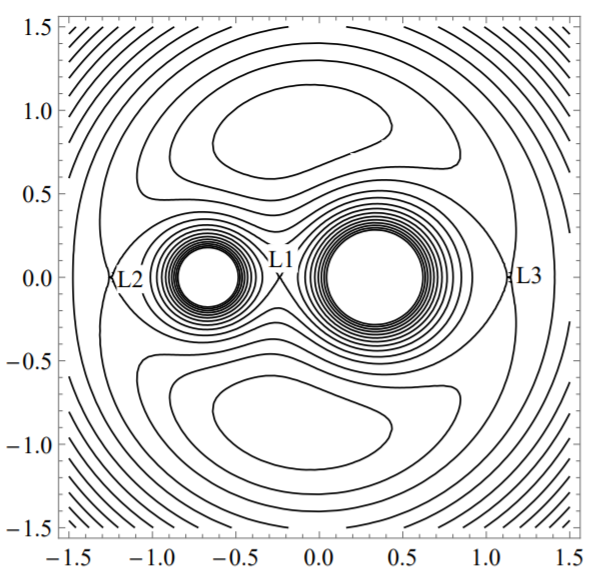
When a core-collapse supernova explodes in a binary star system, the ejecta might encounter an overdense shell, where the stellar winds of the two stars previously collided. It is worth looking more closely at this colliding-wind shell, because it’s structure can be relatively well predicted based on the properties of the binary. Together with Diego and Petr, we investigated what observable effect for light curves and flash ionization arises from supernova hitting the colliding wind shell. In the process, we developed a semi-analytic model of CSM distribution in colliding-wind binaries calibrated by Diego’s 3D AMR simulations. We combined this model with a thin shell model for supernova shock interaction that is angularly dependent. The conclusion is that observable signatures still require relatively high wind mass-loss rates, which might not be completely realistic, and nearly equal-mass companions at large separations, which might be rare. Preprint available here.
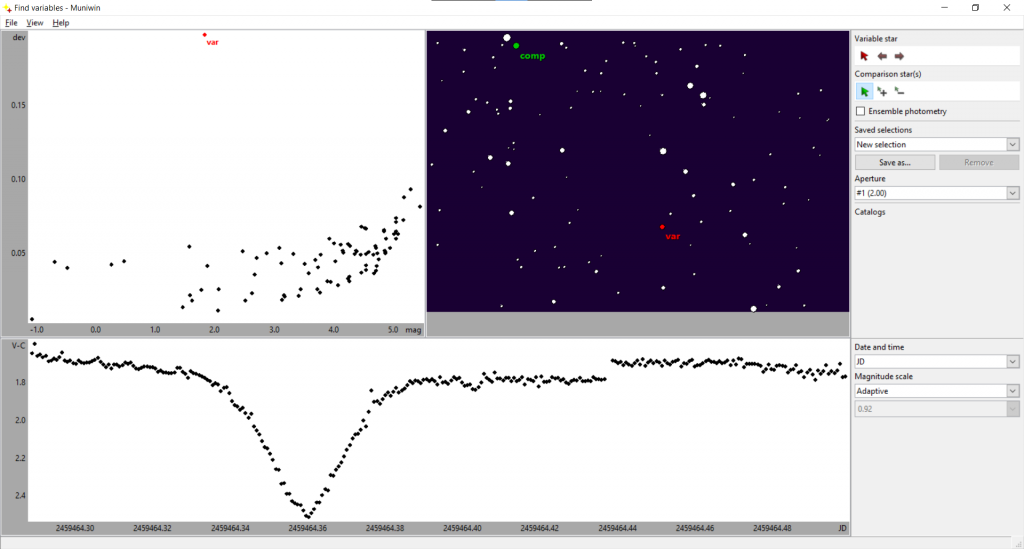
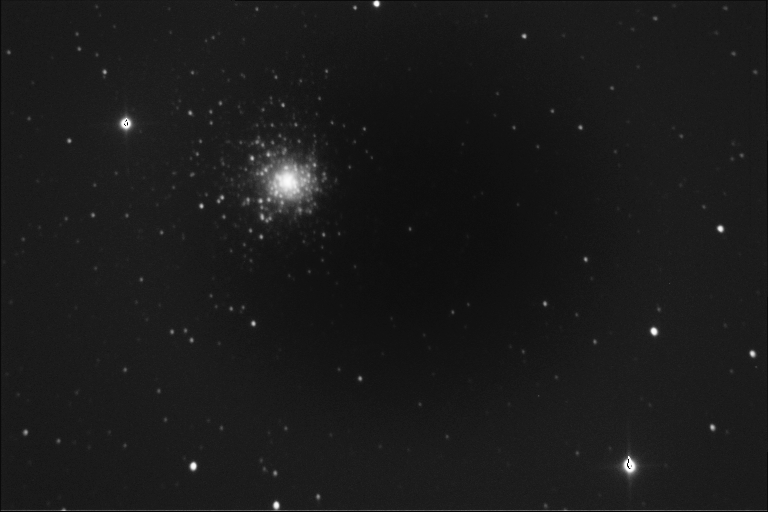
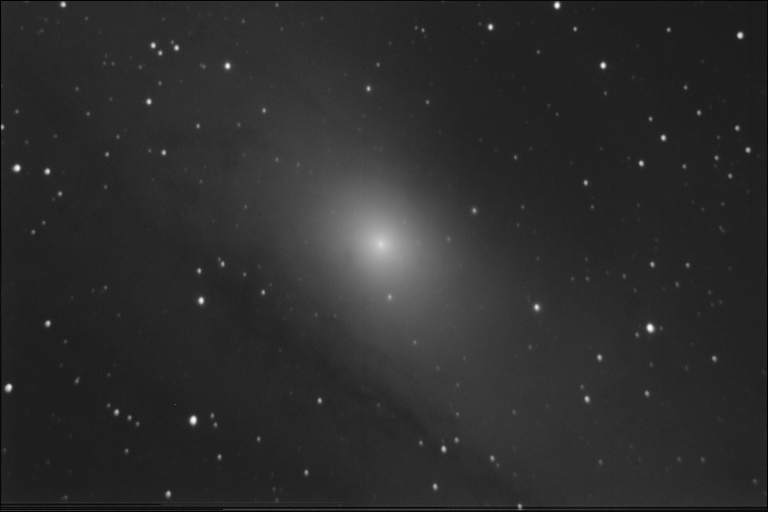
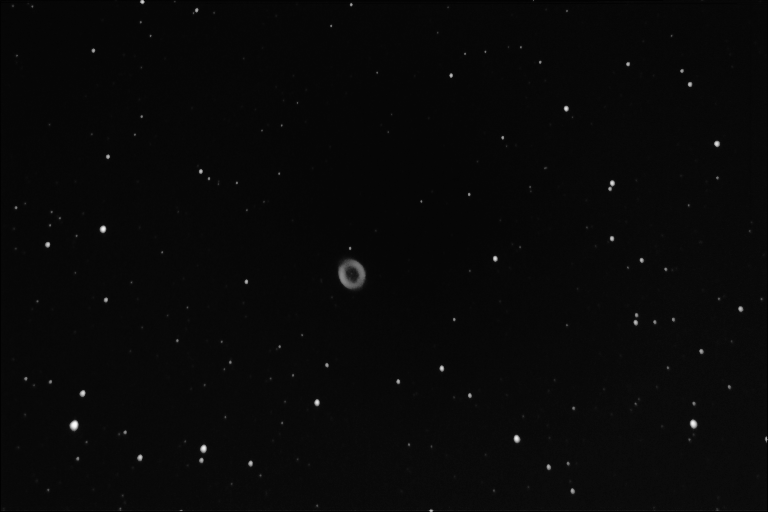
We are a primarily theoretical group, but close connection to observations is essential to keep us grounded in the reality. We spent three nights in Valašské Meziříčí with the aim of using 20cm telescope with CCD camera at the local Observatory. Although only one night was clear, we learned how to use the telescope, got familiar with basic deep sky objects, and tried processing time-series photometry on archival data. Media coverage of our visit.
Dominika Hubová graduated with thesis “Angular momentum loss from binary systems due to stellar winds”, where she combined radiative acceleration with Roche geometry in the context of winds from massive stellar binaries.
Jakub Cehula presented thesis “Stability of stars undergoing rapid mass loss”, where he worked out ideas on how to model mass transfer in binary stars.
Both theses were awarded “excellent” grades. Congratulations!
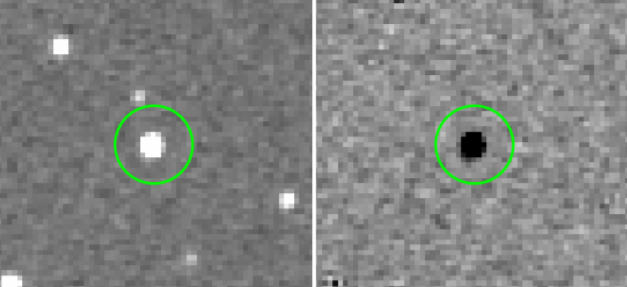
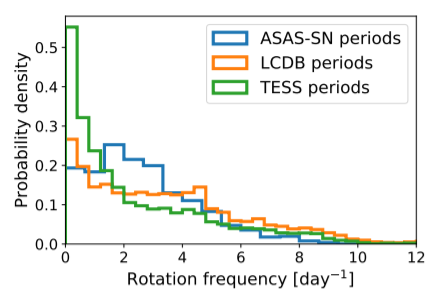
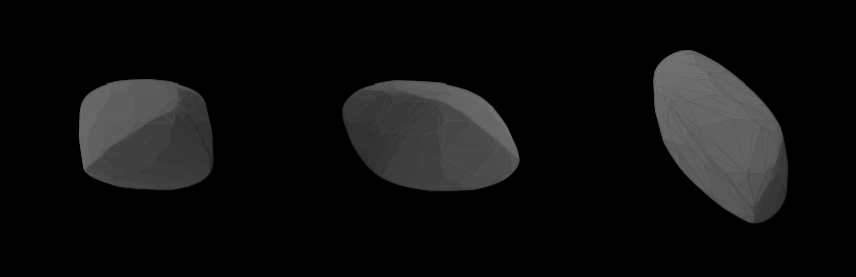
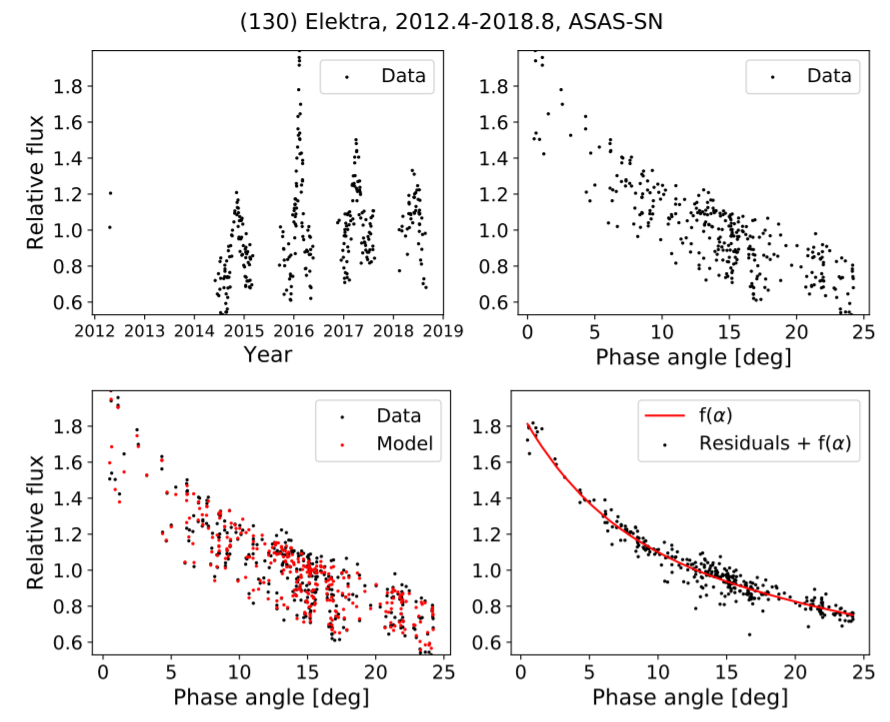
Paper led by Josef Hanuš: we make public light curves of brightest ~20 000 asteroids from ASAS-SN and compute rotational periods, pole orientations, and shape models. We find a lot of slow rotators and recover known trends (some of them still unexplained!).
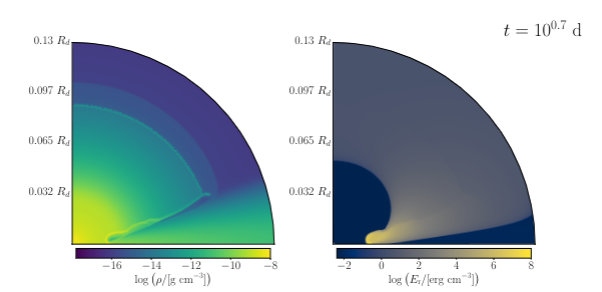
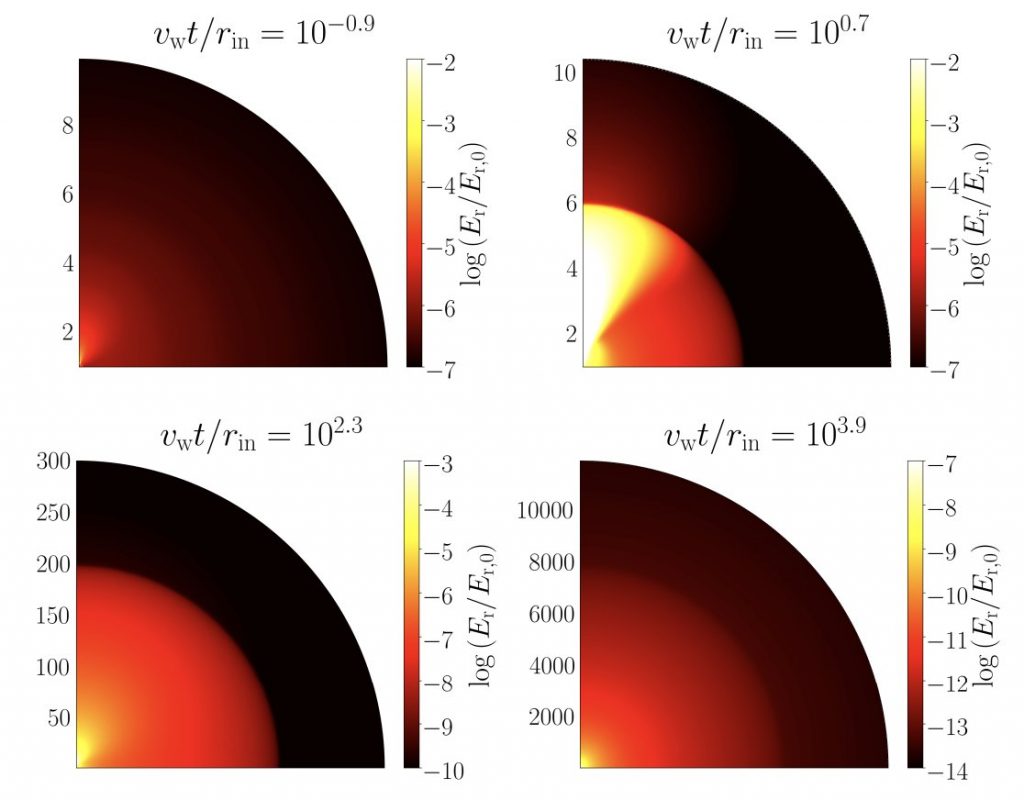
New paper spearheaded by Diego Calderón, who developed a new radiation module for moving-mesh code JET by Paul Duffell. The moving mesh is constrained to move only radially, essentially working as a set of 1D Lagrangian wedges coupled by lateral fluxes. Radiation is implemented in flux-limited diffusion approximation and with implicit timestep update. All of these features make this code a perfect tool for studying various explosions and transients in astrophysics, especially the ones lacking spherical symmetry and powered by radiative shocks.
As a first application, we looked at wind-reprocessed transients (think tidal disruption events or AT2018cow-like supernovae), where we verified the analytics of Piro & Lu (2020) and observed how the result changes for anisotropic central radiation sources.